Home / Guides
What Is Asset Tokenization? A Plain-English Guide
Tokenization means recording a claim on an asset, such as a bond, a building or a painting, as a digital token on a blockchain. The asset stays the same; the record of who owns it changes.
The simple version
Think of a token as a digital certificate. The certificate says you own a share of something, and the blockchain keeps track of every transfer. A legal agreement off the chain is what ties that certificate to the real asset. Without that legal link, the token is just a number.
Traditional records vs tokens
| Traditional ownership records | Tokenized records | |
|---|---|---|
| Where it is recorded | Transfer agents, registries, brokers | A blockchain ledger, plus legal documents |
| Settlement | Often a day or more | Can be near real time |
| Minimum size | Often large | Can be split into small fractions |
| Hours | Market hours | Potentially any time |
| Rules | Securities and property law | The same laws still apply |
What can be tokenized
- Government bonds and money market funds
- Real estate
- Art and collectibles
- Private credit, commodities such as gold, and fund shares
- Cash, as stablecoins or bank deposit tokens
Why people are interested
Supporters point to faster settlement, smaller minimums, easier record keeping and the ability to use assets inside other blockchain applications. Critics point out that most of the hard parts, such as legal ownership, valuation and finding buyers, do not disappear just because a token exists.
Education, not advice. Tokenized assets can lose value, be hard to sell, and carry legal and technical risks. Nothing here recommends any product or investment.
Good first reads
Photos and links go to Amazon. Check the current price, size and seller there.

Token Economy (Third Edition), by Shermin Voshmgir
A clear map of token types, asset tokens and DeFi.
Check it on Amazon →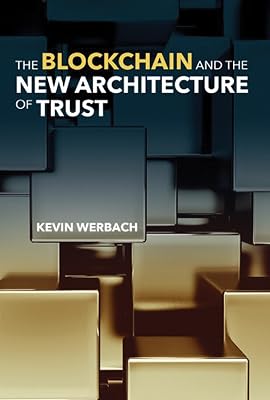
The Blockchain and the New Architecture of Trust, by Kevin Werbach
A law-and-economics look at what blockchains really change.
Check it on Amazon →Want the whole shelf sorted by type? Browse all Top Picks →
Common questions
Does owning a token mean I own the asset?
Only if the legal structure says so. Usually the token represents a share of a company or fund that owns the asset, or a contractual claim. Read the offering documents.
Is tokenization the same as cryptocurrency?
No. Cryptocurrencies like bitcoin are native digital assets. Tokenized assets represent something that exists off the blockchain, such as a bond or a building.
Are tokenized assets regulated?
Many are. In the US, tokens that represent investments are often securities and must follow securities law, whatever technology is used.