Home / Guides
Tokenized Treasuries and Money Market Funds, Explained
Tokenized treasury products put shares of funds that hold short-term government debt onto a blockchain.
How they work
A fund buys short-term government securities in the usual way. Instead of recording fund shares only in a traditional registry, it also issues or records them as tokens. Well-known examples include Franklin Templeton's OnChain U.S. Government Money Fund and BlackRock's BUIDL fund, issued with the tokenization firm Securitize. We mention them as examples, not recommendations.
Tokenized treasuries vs stablecoins
| Tokenized treasury fund | Fiat-backed stablecoin | |
|---|---|---|
| What you hold | Shares of an investment fund | A token redeemable for one dollar |
| Income to holder | Usually passes fund yield to holders | Usually none to the holder |
| Who can buy | Often restricted by investor type | Widely available |
| Regulation | Securities and fund rules | Payment and stablecoin rules |
Risks to understand
- Interest rates change, so yields change.
- Redemptions may only happen at set times or through the issuer.
- Smart contract, custody and platform risks are added on top.
- Many products are not available to US retail investors.
Education, not advice. Tokenized assets can lose value, be hard to sell, and carry legal and technical risks. Nothing here recommends any product or investment.
Tools and reading for this guide
Photos and links go to Amazon. Check the current price, size and seller there.

Token Economy (Third Edition), by Shermin Voshmgir
A clear map of token types, asset tokens and DeFi.
Check it on Amazon →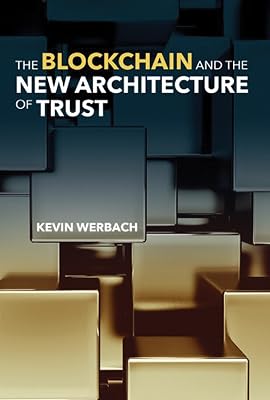
The Blockchain and the New Architecture of Trust, by Kevin Werbach
A law-and-economics look at what blockchains really change.
Check it on Amazon →Want the whole shelf sorted by type? Browse all Top Picks →