Home / Guides
Risks of Tokenized Assets: A Clear-Eyed Checklist
Tokenization can add convenience, but it also stacks new risks on top of the risks the asset already had.
The checklist
| Risk | What it means | Questions to ask |
|---|---|---|
| Legal link | The token might not give enforceable rights to the asset | What exactly do I own, legally? |
| Issuer | The company behind it could fail or mismanage | Who are they, and are financials audited? |
| Liquidity | There may be few or no buyers | How and where can I sell? |
| Valuation | Prices may be estimates | Who values it, and how often? |
| Smart contract | Bugs or admin keys can freeze or move tokens | Was the code audited? Who controls upgrades? |
| Custody | Keys or assets could be lost or stolen | Who holds what? |
| Regulatory | Rules can change or be enforced | Is the offering legally available to me? |
| Fees | Several layers of fees | What is the total cost? |
Warning signs
- Guaranteed or unusually high returns
- Pressure to buy quickly
- No clear legal owner or audited accounts
- Sold through social media DMs
Education, not advice. Tokenized assets can lose value, be hard to sell, and carry legal and technical risks. Nothing here recommends any product or investment.
Tools and reading for this guide
Photos and links go to Amazon. Check the current price, size and seller there.

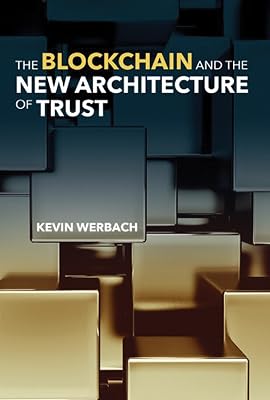
The Blockchain and the New Architecture of Trust, by Kevin Werbach
A law-and-economics look at what blockchains really change.
Check it on Amazon →Want the whole shelf sorted by type? Browse all Top Picks →