Home / Guides
Tokenized Real Estate: How Fractional Property Tokens Work
Tokenized real estate lets people buy small slices of a property, usually through shares of a company that owns it.
What you usually own
In most offerings, each property sits in its own company, often an LLC. Tokens represent shares of that company. Rent, after expenses, is paid to holders, and the company handles the building.
Compare your options
| Tokenized property | Real estate crowdfunding | Publicly traded REIT | |
|---|---|---|---|
| Minimum | Can be small | Often small to moderate | One share |
| Selling | Platform market, if any | Limited redemption windows | Any trading day |
| Diversification | Usually one property each | Funds of many properties | Many properties |
| Oversight | Depends on the offering | Securities exemptions | Public company rules |
Questions to ask
- Who owns the property legally, and what do tokens give me?
- Who manages it, and what are all the fees?
- Is there a reserve for repairs and vacancies?
- How exactly can I sell, and to whom?
- Is the offering legally available to me? Some are for accredited investors only, and some exclude US residents entirely.
Red flags
Promised returns, no audited financials, no clear legal owner, and pressure to buy before a deadline.
Education, not advice. Tokenized assets can lose value, be hard to sell, and carry legal and technical risks. Nothing here recommends any product or investment.
Tools and reading for this guide
Photos and links go to Amazon. Check the current price, size and seller there.
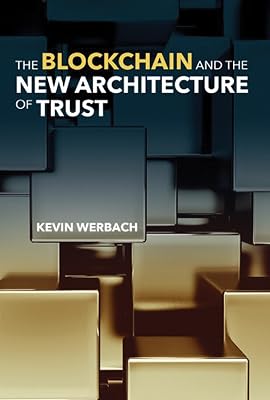
The Blockchain and the New Architecture of Trust, by Kevin Werbach
A law-and-economics look at what blockchains really change.
Check it on Amazon →
Token Economy (Third Edition), by Shermin Voshmgir
A clear map of token types, asset tokens and DeFi.
Check it on Amazon →Want the whole shelf sorted by type? Browse all Top Picks →